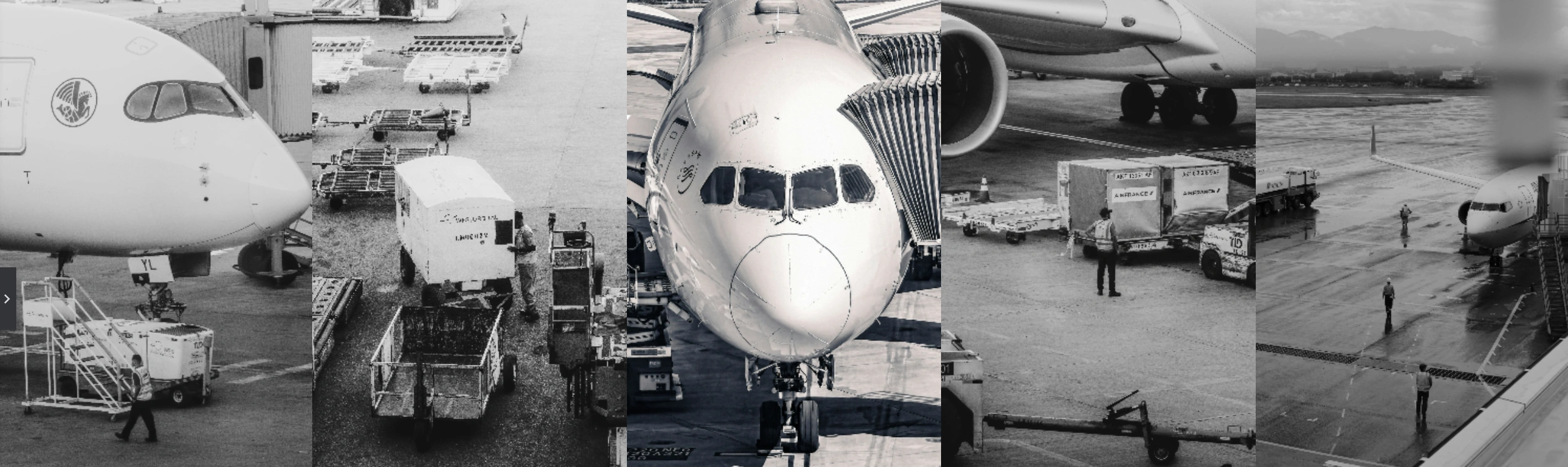

Domestic air freight plays a critical role in Australia because distance, geography, and time pressure can quickly turn a normal shipment into an urgent operational issue. For businesses moving stock, spare parts, medical supplies, tools, electronics, or project materials, air freight is often the fastest way to protect continuity, reduce downtime, and keep customer commitments on track.
This guide explains how domestic air freight works across Australia, what affects transit timing and cost, and how to plan shipments more effectively across metro, regional, and remote locations.
Why Domestic Air Freight Matters in Australia
Australia is a large country with long distances between major cities such as Perth, Sydney, Melbourne, Brisbane, Adelaide, and Darwin. Road freight remains essential for many shipments, but it may not always meet the required delivery window. Sea freight is useful for lower-cost and non-urgent cargo, but it is not suitable when speed is the priority.
Domestic air freight becomes especially valuable when a business needs to move cargo quickly to avoid production delays, replenish stock, support mining and resource operations, deliver critical components, or meet tight project deadlines. In many cases, the real value is not just faster transport, but reduced disruption across the broader supply chain.
What Domestic Air Freight Typically Includes
Domestic air freight can cover a wide range of service types depending on urgency, cargo type, budget, and delivery requirements. The shipment may move airport-to-airport, or it may include pickup and final delivery as part of a door-to-door service.
Common domestic air freight use cases include urgent spare parts, medical and healthcare supplies, retail replenishment, industrial components, e-commerce stock transfers, event equipment, and high-value goods that need tighter transit control.
Businesses also use domestic air freight for scheduled replenishment when consistency matters more than the lowest possible cost, especially on routes where time-sensitive inventory management is critical.
Major Domestic Air Freight Routes Across Australia
Most domestic air cargo volume moves between major metropolitan hubs and then connects into regional networks. Common corridors include:
Perth to Sydney, Perth to Melbourne, Melbourne to Brisbane, Sydney to Brisbane, Adelaide to Perth, and Darwin to southern capitals. These routes support a mix of commercial freight, urgent shipments, and interstate stock movement.
Regional and remote deliveries may involve a capital-city gateway first, followed by onward movement through smaller airports, road transfer, or local distribution partners. This is why transit planning must consider the full movement path, not only the flight sector.
How Domestic Air Freight Transit Times Work
Many shippers assume transit time starts when cargo is booked and ends when the consignee receives it. In reality, domestic air freight timing is shaped by multiple stages: pickup (if included), receival cut-off, cargo processing, security screening, airline uplift, arrival handling, and final delivery.
Transit expectations can vary depending on service level. Priority freight may move on the next available flight, while standard services may move on a scheduled uplift based on capacity and route frequency. Same-day delivery can be possible on selected routes, but only if booking timing, cargo readiness, and flight availability align.
Delays do not always come from the flight itself. Common causes include late cargo handover, incomplete paperwork, poor packaging, missed cut-off times, and coordination gaps between sender, warehouse, driver, and receiver.
Key Factors That Affect Domestic Air Freight Pricing
Domestic air freight pricing is based on more than distance. Rates are commonly influenced by actual weight, volumetric weight, cargo dimensions, route demand, urgency, airline capacity, and handling requirements. The chargeable weight is usually the higher of the actual weight or volumetric weight, which means bulky but lightweight cargo can cost more than expected.
Other cost drivers may include fuel-related charges, airport handling fees, pickup and delivery transport, after-hours services, special handling needs, and remote area delivery conditions. Urgent and time-critical freight usually costs more because it requires faster coordination and priority uplift.
Businesses that understand these pricing factors early can estimate costs more accurately and avoid assumptions that lead to budget overruns.
Cargo Readiness Before Booking
One of the biggest mistakes in domestic air freight is booking first and preparing later. Fast transport only works when the cargo is ready for acceptance. This means dimensions and weight are confirmed, packaging is suitable for handling, labels are clear, and shipment details are correct.
Cargo readiness is especially important for fragile goods, high-value items, and irregular freight that may require special packaging, palletising, or handling instructions. If packaging quality is poor or dimensions are inaccurate, the shipment may be delayed, re-rated, or rejected for uplift.
A practical approach is to treat booking and preparation as one process, not two separate steps.
Airport-to-Airport vs Door-to-Door for Domestic Shipments
Choosing the right service model affects cost, timing, and control. Airport-to-airport can be suitable for businesses that already have transport capability at both ends and want tighter control over pickup and delivery. Door-to-door can be more practical when speed and coordination matter, especially if the sender or consignee does not have internal logistics support.
For routine freight, airport-to-airport may offer flexibility. For urgent freight, door-to-door often reduces coordination risk because one provider manages more stages of the movement. The right option depends on internal resources, cargo type, destination access, and required delivery time.
Domestic Air Freight for Regional and Remote Australia
Regional and remote freight planning requires more attention than metro-to-metro shipments. Access limitations, lower flight frequency, weather disruption, and local handling constraints can affect service reliability. Industries such as mining, energy, healthcare, agriculture, and infrastructure often depend on air freight in these areas because delays can be costly and operationally disruptive.
When shipping to remote destinations, businesses should confirm delivery access, site contact details, receiving hours, cargo dimensions, and any special unloading requirements before booking. The more accurate the pre-shipment information, the lower the risk of delay after arrival.
Common Risks and Mistakes in Domestic Air Freight
Many domestic air freight problems are preventable. The most common issues include incorrect dimensions, underestimated chargeable weight, weak packaging, unclear labels, incomplete consignee details, and unrealistic transit assumptions. Another frequent issue is failing to align cargo availability with airline cut-off times.
Businesses also underestimate the importance of communication. A shipment can be booked correctly but still be delayed if the sender is not ready at pickup, the warehouse cannot receive on time, or the consignee contact details are missing or inaccurate.
Strong planning reduces these risks. Clear shipment data, realistic timing, and coordination across all parties usually matter more than chasing the cheapest rate.
How to Plan Domestic Air Freight More Effectively
Good domestic air freight planning starts with the shipment objective. Ask what matters most: speed, cost control, delivery certainty, or a balance of all three. From there, confirm the cargo details, service type, route, and delivery requirements before booking.
For urgent shipments, build in a tighter process for packaging, labeling, and communication. For routine shipments, standardise preparation steps so teams can move cargo faster without repeated errors. Businesses that ship regularly often benefit from an internal checklist covering weight, dimensions, packaging, consignee details, booking cut-off, and delivery contacts.
This approach improves freight readiness and makes domestic air cargo more predictable, even when schedules and capacity change.
When Air Freight Is the Right Choice
Domestic air freight is usually the right option when the cost of delay is higher than the cost of transport. That includes situations where operations depend on critical parts, customer deadlines are strict, stockouts affect revenue, or goods are high-value and need faster movement. It is also a strong option for interstate shipments that must move within narrow time windows.
For less urgent freight, road transport may be more economical. The best decision comes from comparing total business impact, not only freight charges. Speed, reliability, inventory risk, and operational downtime should all be part of the decision.
Final Thoughts
Domestic air freight across Australia is most effective when businesses plan beyond the flight itself. Transit timing, chargeable weight, packaging, airport handling, and coordination between sender and receiver all shape the result. When these factors are managed early, air freight becomes a practical tool for reducing delays, protecting operations, and improving supply chain performance across metro, regional, and remote Australia.