
Written by Corey Bennett
Corey Bennett is the writer at flyingmachine.com.au, sharing clear and practical insights on Australian air cargo. He focuses on freight planning, transit times, shipping options, and real-world logistics decisions for businesses across Australia.
Routes, timing, pricing factors, cargo preparation, and transport decisions made easier
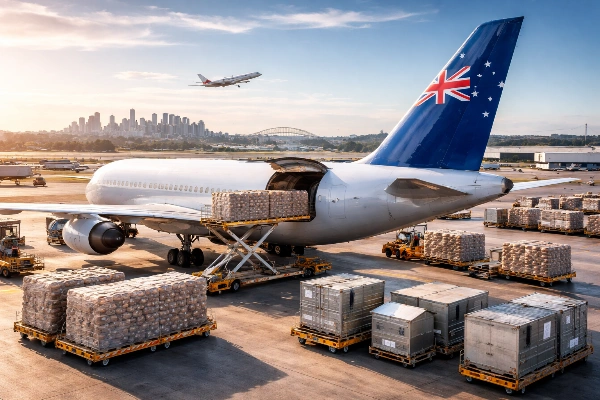
Australian air cargo is built around speed, reliability, and route access across a country where distance directly affects business operations. For many shippers, air freight is not only about moving goods faster than road or sea transport, but about protecting uptime, reducing stockouts, supporting urgent maintenance, and keeping supply chains running between major hubs such as Perth, Sydney, Melbourne, Brisbane, Adelaide, and Darwin, as well as regional and remote locations.
 Readers looking into this topic usually want practical answers before they move freight: which service type fits the shipment, how transit time can change due to flight schedules and airport handling, what affects pricing, and what risks can delay cargo acceptance. The key decisions often involve cargo dimensions, gross weight, chargeable weight, packaging quality, time sensitivity, dangerous goods classification, documentation accuracy, and whether airport-to-airport or door-to-door movement gives better control for the shipment.
A strong understanding of Australian air cargo also requires looking at the operational details that shape real outcomes on the ground. Freight timing can be affected by airline capacity, peak demand periods, weather disruptions, cut-off times, screening requirements, palletising standards, and coordination between shipper, consignee, warehouse teams, drivers, and handling agents. Businesses shipping spare parts, mining equipment components, medical supplies, electronics, retail inventory, or project cargo need clear planning around packaging, labelling, booking windows, pickup timing, and paperwork such as consignment details and declarations, because small errors can create costly delays.
 Readers also want to compare trade-offs: when air freight is worth the higher cost, when sea freight is more suitable, and how to choose between urgent uplift and routine replenishment. In short, the real value of understanding Australian air cargo is being able to make better freight decisions before cargo reaches the terminal, not after delays, extra charges, or service issues have already happened.
Australian air cargo is not just about moving goods quickly. It is about making smarter decisions before a shipment is booked, packed, and handed over for transport. When route access, timing, cost, documentation, and cargo readiness are understood early, businesses can reduce delays, avoid unnecessary charges, and keep operations running with more confidence across metro, regional, and remote Australia. This is why clear, practical freight knowledge matters, especially for teams handling urgent shipments, routine replenishment, and time-sensitive supply chain planning.