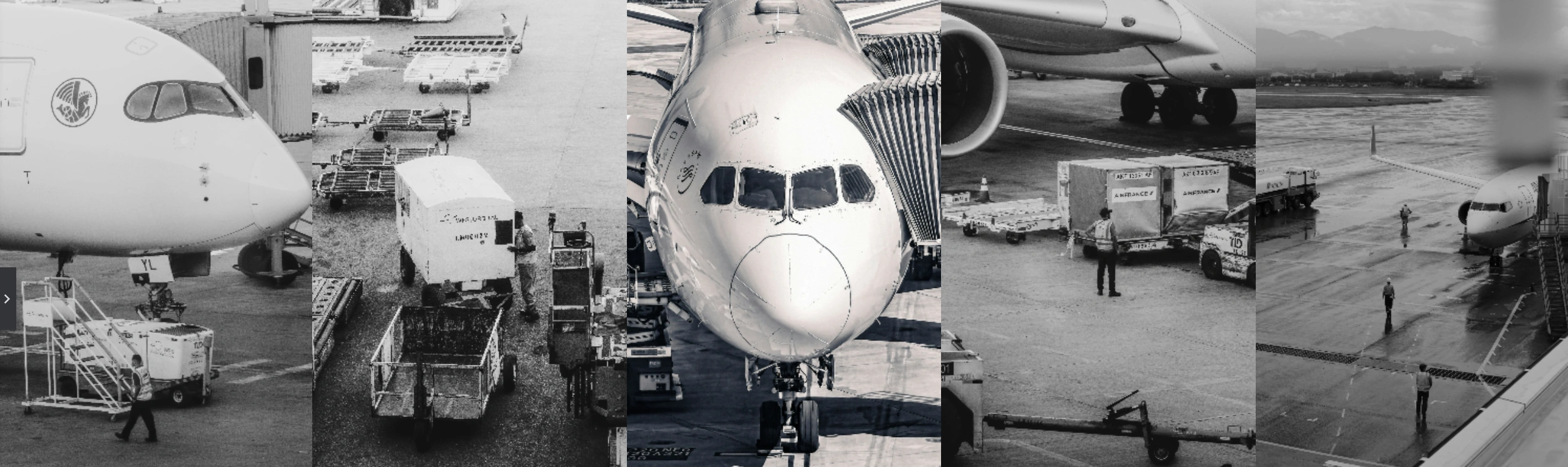

Air cargo is often the most practical way to move time-sensitive freight into regional and remote Australia, where long distances, limited transport options, and operational access constraints can make standard delivery planning unreliable. For many businesses, these shipments are not just about convenience. They support continuity, safety, and uptime in locations where delays can affect production, projects, healthcare services, and essential supply.
This guide explains how air cargo works for regional and remote deliveries, what affects timing and cost, and how businesses can plan freight more effectively for challenging destinations across Australia.
Why Regional and Remote Air Cargo Matters in Australia
Australia’s geography creates a logistics gap between major metropolitan centres and remote operating locations. While road freight remains essential, long transit distances and route conditions can be unsuitable for urgent deliveries. Air cargo helps bridge that gap by reducing transit time and improving access to communities, worksites, regional facilities, and project locations that cannot afford extended downtime.
Industries that commonly depend on regional and remote air cargo include mining and resources, energy, healthcare, agriculture, infrastructure, field services, maintenance operations, and government-supported supply programs. In these environments, the cost of delay often exceeds the freight premium.
What Counts as Regional or Remote in Freight Planning
In freight planning, regional and remote does not only mean distance from a capital city. It can also mean limited flight frequency, reduced carrier coverage, restricted delivery windows, specialised site access, or a destination that requires multiple transfer stages after airport arrival.
A shipment may move quickly between major airports but still face delays if the final location requires local transfer coordination, site approvals, specific receiving contacts, or special unloading arrangements. This is why destination complexity matters as much as route distance.
Common Types of Cargo Sent to Regional and Remote Locations
Regional and remote air cargo often includes critical spare parts, industrial components, medical supplies, maintenance tools, safety equipment, electronics, project materials, and urgent replenishment stock. These shipments are frequently linked to operational continuity, where a late delivery can affect machinery availability, staffing efficiency, service delivery, or production schedules.
Some freight is planned as part of routine site support. Other shipments are reactive and time-critical, such as breakdown response parts or emergency supply replacement. The planning method should reflect whether the shipment is routine or urgent, because the risk tolerance and service choice are different.
How Regional and Remote Air Cargo Moves
Most regional and remote air cargo movements involve more than one stage. A shipment may begin with pickup in a metropolitan area, move through a major airport gateway such as Perth, Brisbane, Sydney, Melbourne, Adelaide, or Darwin, then continue via connecting air services, road transfer, or local distribution to the final destination.
The flight segment is only one part of the delivery path. Timing also depends on receival cut-off, handling at origin and destination, local transfer availability, and destination access conditions. Businesses that plan only for the flight schedule often underestimate total transit time.
Key Challenges in Regional and Remote Freight Delivery
Regional and remote freight involves more operational variables than metro-to-metro air cargo. Common challenges include limited flight frequency, reduced uplift capacity, weather disruption, lower staffing availability, difficult road access after airport arrival, and restricted receiving hours at sites or facilities.
Communication can also be a challenge. If site contacts, receiving instructions, or delivery access details are incomplete, the shipment may arrive at the gateway but be delayed before final handover. In remote freight, missing information often causes more delay than the transport itself.
Transit Time Expectations for Hard-to-Reach Deliveries
Regional and remote transit times are less predictable than major city routes because they depend on network connectivity and local access conditions. Even when the air segment is fast, onward transfer and site delivery can add time. This is especially true for destinations served by low-frequency flights or locations with strict receiving windows.
For time-sensitive shipments, businesses should plan using realistic delivery windows rather than ideal flight-only estimates. A strong plan includes buffer time for handling, transfer coordination, and local access delays, especially during peak periods or adverse weather conditions.
What Drives Cost in Regional and Remote Air Cargo
Regional and remote freight pricing is usually influenced by the same core factors as standard air cargo, including chargeable weight, dimensions, service level, and urgency. However, remote deliveries often add complexity-related costs such as limited service availability, additional transfer stages, local transport coordination, and difficult destination access.
Door-to-door services may be more expensive on paper, but they can reduce internal workload and delivery risk when destination logistics are difficult to manage. Businesses should compare total transport outcome and operational impact, not only the initial freight charge.
Cargo Preparation Is Even More Important for Remote Deliveries
Preparation errors are more expensive in regional and remote freight because there is often less flexibility to correct them quickly. If packaging is weak, labels are unclear, dimensions are wrong, or consignee details are incomplete, the shipment may be delayed at a point in the network where rework options are limited.
For hard-to-reach locations, cargo should be packed for multiple handling stages, not just one transfer. Stable packaging, clear labels, accurate piece counts, and reliable shipment information improve handling speed and reduce the risk of misrouting or delivery hold-ups.
Destination Access and Site Coordination
Many remote deliveries fail at the final stage because destination coordination is treated as a secondary task. Before booking, businesses should confirm the delivery address, site contact person, phone number, receiving hours, unloading capability, and any access restrictions. This is especially important for mines, project sites, regional clinics, infrastructure locations, and controlled facilities.
If site access requires notice, permits, or scheduled receiving windows, that should be built into the delivery plan from the start. Air freight can move quickly, but final delivery can still stall if the destination is not ready.
Airport-to-Airport vs Door-to-Door in Regional and Remote Deliveries
Airport-to-airport can work for regional and remote freight when the consignee has strong local logistics capability and can collect or arrange onward transport promptly from the destination gateway. This can provide cost control and flexibility for experienced teams.
Door-to-door is often the better option when destination access is complex, the shipment is urgent, or the sender lacks local coordination visibility. With more of the movement managed under one service scope, businesses can reduce handover risk and communication gaps that commonly affect remote deliveries.
Urgent Remote Freight: Planning for Operational Continuity
Urgent shipments to remote locations often support critical operations such as equipment repair, healthcare continuity, or project recovery. In these cases, the delivery requirement should be defined clearly: airport arrival time, site delivery time, or operational readiness at destination. Each one leads to different planning decisions.
For urgent remote freight, businesses should confirm cargo readiness, route availability, destination contacts, and local receiving access before dispatch. Delays caused by missing information are especially costly when the shipment is tied to downtime or safety-related needs.
Common Mistakes in Regional and Remote Air Cargo
Common mistakes include using flight arrival time as the delivery estimate, failing to confirm site access details, underestimating local transfer requirements, providing incomplete consignee information, and assuming all destinations have the same handling capability as metro locations.
Another frequent issue is poor packaging for multi-stage handling. A shipment may leave origin in acceptable condition but arrive damaged or delayed because the packing was not suitable for repeated transfers, rougher handling environments, or longer last-mile movement.
How Businesses Can Improve Regional and Remote Freight Outcomes
Better outcomes usually come from stronger preparation and communication, not just faster booking. Businesses should standardise shipment information capture, confirm destination access details early, and use checklists for packaging, dimensions, labels, and consignee contacts. For repeat destinations, maintain updated site delivery notes and receiving requirements.
It also helps to separate routine replenishment planning from emergency dispatch planning. Routine freight can be scheduled more efficiently, while emergency freight should follow a tighter escalation process with clear decision points and contact responsibilities.
When Air Cargo Is Worth the Premium for Remote Deliveries
Air cargo usually makes sense for regional and remote deliveries when delay creates larger operational cost, risk, or service impact than the freight premium itself. This is common for critical parts, urgent medical supplies, high-priority maintenance items, and project-critical materials.
The strongest freight decisions come from comparing the cost of transport with the cost of downtime, delay, and operational disruption. In remote logistics, that comparison often makes air cargo the practical choice.
Final Thoughts
Air cargo for regional and remote Australia works best when businesses plan beyond the flight and treat destination coordination as a core part of the shipment. Transit timing, cargo readiness, packaging quality, route access, and local delivery details all shape the final result. With stronger planning and clearer communication, businesses can reduce delays and move critical freight more reliably into hard-to-reach locations across Australia.