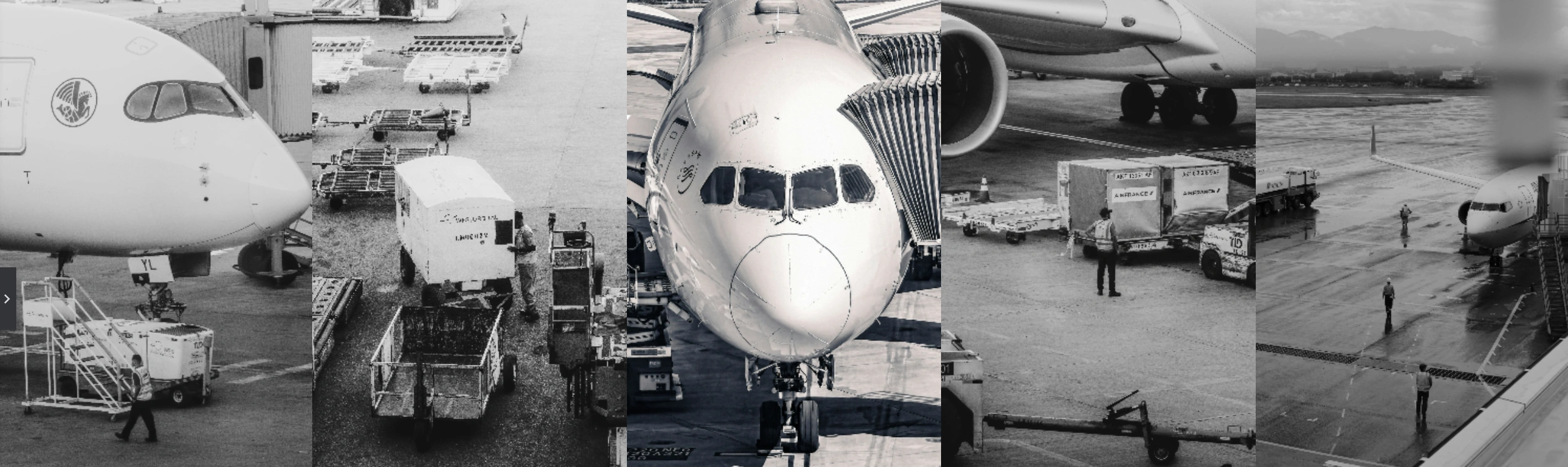

Cargo packing for air transport is not only about protecting goods in transit. It also affects freight acceptance, handling speed, chargeable weight, loading efficiency, and the risk of delays across the shipment journey. For businesses moving cargo across Australia, strong preparation before booking and dispatch is one of the most effective ways to avoid damage, rejection, and costly rework.
This guide explains how to prepare cargo for air transport, including packaging basics, labeling, palletising, fragile-goods protection, shipment checks, and practical planning steps that improve freight readiness.
Why Cargo Preparation Matters in Air Freight
Air freight moves quickly, but it also involves multiple handling stages. Cargo may pass through pickup, receival, security screening, terminal handling, aircraft loading, unloading, and final delivery. Poor preparation at origin can create problems at any of these points, especially when timelines are tight and the shipment is urgent.
Good packing and preparation reduce three major risks: physical damage, processing delays, and freight acceptance issues. They also improve communication because clear labels, correct dimensions, and accurate shipment details make handling easier for warehouse teams, drivers, and receivers.
Start with the Cargo Profile Before Packing
Before selecting packaging materials, define the cargo profile. This includes the type of goods, dimensions, actual weight, fragility, value, shape, stackability, and any special handling needs. A dense pallet of machinery parts needs a different packing approach from lightweight electronics, medical supplies, or irregular project components.
Packaging decisions should be based on handling realities, not only the product itself. Ask how the cargo will be lifted, stacked, screened, moved through terminals, and delivered at destination. This helps avoid packaging that looks acceptable in a warehouse but fails during transport handling.
Packaging Basics for Air Transport
The primary goal of packaging is to protect cargo from impact, compression, movement, and handling stress while keeping the shipment stable and identifiable. Packaging should be strong enough to support normal transport handling without collapsing, splitting, or exposing the contents.
Common packaging formats in air freight include cartons, crates, pallets, and protective wraps. The right choice depends on cargo weight, shape, sensitivity, and handling requirements. For heavier or irregular items, stronger outer protection and stable base support are often necessary to prevent movement and damage.
Packaging should also be practical for handling. If a shipment cannot be safely moved, stacked, or secured, it may be delayed for repacking or special handling assessment.
Choose the Right Packaging Size and Configuration
Oversized packaging is a common air freight mistake. Extra void space can increase volumetric weight, which may raise freight cost without improving protection. Undersized or weak packaging creates the opposite problem by increasing the risk of crushing, tearing, or product movement inside the package.
The best packaging size is one that protects the goods while keeping dimensions efficient. Internal cushioning should stabilise the contents, not simply fill space. For multi-piece shipments, consistent carton sizing can improve stacking, handling speed, and measurement accuracy at receival.
Packaging configuration also matters for pallet loads. Poor carton arrangement can reduce stability and increase handling risk even if each carton is individually strong.
Labeling: Small Detail, Big Impact
Clear labeling helps prevent handling errors and delivery delays. Every shipment should be easy to identify at origin, in transit, and at destination. Labels should be readable, securely attached, and placed where they remain visible after wrapping or handling.
In practical terms, labels should support correct routing and receiving by showing key shipment information such as shipper details, consignee details, destination, and piece identification where relevant. If a shipment has multiple cartons or pallets, consistent piece labeling helps handlers confirm that all items move together.
Handling labels for fragile goods, orientation, or special instructions can be helpful, but they do not replace proper packaging. A fragile label alone will not protect cargo that is poorly packed.
Palletising for Stability and Safer Handling
Palletising can improve cargo handling efficiency, but only when done correctly. A stable pallet load is easier to move, measure, and process. An unstable pallet can shift, collapse, or require rework at the terminal, causing delays and extra handling risk.
Good palletising starts with a suitable pallet base and balanced load distribution. Weight should be spread evenly so the pallet can be lifted and moved safely. Cartons should be stacked to reduce movement, with edges aligned where possible and weak cartons not overloaded under heavier pieces.
Wrapping and strapping may be used to secure the load, depending on cargo type and packing configuration. The goal is to keep the shipment stable through handling, not just during storage at origin.
Protecting Fragile and High-Value Goods
Fragile and high-value cargo needs a more deliberate packing strategy because damage risk is not always visible from the outside. Goods may be affected by impact, vibration, compression, or movement during handling. Protection should be designed around these risks, not only around appearance.
For fragile goods, this often means stronger outer packaging, internal cushioning that prevents movement, corner protection where needed, and secure sealing. For high-value items, packaging should also support controlled handling and clear identification without exposing unnecessary product details externally.
Where appropriate, businesses should document the packed condition before dispatch. This supports internal quality control and can be useful if a handling issue is reported later.
Irregular, Heavy, or Non-Standard Cargo
Not all freight fits neatly into cartons or standard pallets. Machinery parts, fabricated items, industrial components, and project materials often require custom packing or crating. These shipments need special attention because irregular shapes can create instability, exposure points, and handling difficulties.
For heavy or awkward cargo, preparation should consider lifting points, weight distribution, edge protection, and whether the item can be moved safely with available handling equipment. If the cargo cannot be handled safely in its current form, it may be delayed until repacking or support structures are added.
Accurate dimensions and weight are especially important for irregular cargo because they affect both pricing and handling planning.
How Packing Affects Chargeable Weight and Cost
Packing quality affects freight cost as well as cargo safety. In air freight, bulky packaging can increase volumetric weight, which may become the chargeable weight if it exceeds actual weight. This is common when cartons are oversized or pallet loads contain unnecessary void space.
Cost-efficient packing does not mean weak packing. It means using the right materials and dimensions for the cargo. A well-packed shipment protects the goods and keeps the freight profile as efficient as possible. Businesses that review packaging design regularly can reduce repeated overpayment on frequent shipments.
Pre-Dispatch Checks Before the Cargo Leaves
One of the best ways to improve air freight outcomes is to use a pre-dispatch check before pickup or terminal receival. This reduces errors that are expensive to fix once the shipment is in motion or close to cut-off time.
A practical pre-dispatch check should confirm packaging condition, piece count, labels, dimensions, actual weight, consignee details, and any required shipment information. For palletised freight, confirm load stability and wrapping quality. For urgent shipments, confirm readiness against booking cut-off and pickup timing.
These checks are simple, but they consistently reduce delays, rework, and preventable handling issues.
Common Packing and Preparation Mistakes
Several mistakes appear repeatedly in air cargo shipments. These include weak cartons for heavy goods, poor internal cushioning, oversized packaging, unclear labels, unstable pallets, incorrect dimensions, and last-minute packing that ignores handling requirements.
Another common mistake is separating packing from shipping planning. If warehouse teams pack without knowing the service type, urgency, or handling path, the shipment may be technically packed but not operationally ready. Packing works best when it is aligned with the transport plan.
Packing for Urgent Shipments vs Routine Shipments
Urgent shipments require tighter preparation discipline because there is less time to fix mistakes. The packaging should already be suitable, labels should be complete, and dimensions should be confirmed before booking where possible. Delays in packing can erase the benefit of choosing a faster freight service.
Routine shipments allow more planning time, but consistency matters just as much. Businesses that ship regularly should standardise packaging methods, labeling formats, and pre-dispatch checks so teams can prepare cargo correctly without repeating avoidable errors.
Building a Better Internal Packing Process
Businesses improve air freight results when packing is treated as part of logistics planning rather than a warehouse-only task. A stronger process usually includes packaging standards by cargo type, clear labeling rules, dimension and weight verification, and a simple dispatch checklist shared across warehouse and operations teams.
This approach helps reduce damage claims, shipment delays, remeasurement issues, and communication gaps. It also supports more accurate freight quoting because the cargo profile is known earlier and documented properly.
Final Thoughts
Cargo packing and preparation for air transport directly affect speed, cost, and shipment reliability. Strong packaging, clear labeling, stable palletising, and accurate pre-dispatch checks reduce damage, rejection, and handling delays before they happen. When businesses improve preparation at origin, air freight becomes easier to manage and more predictable across urgent and routine shipments.